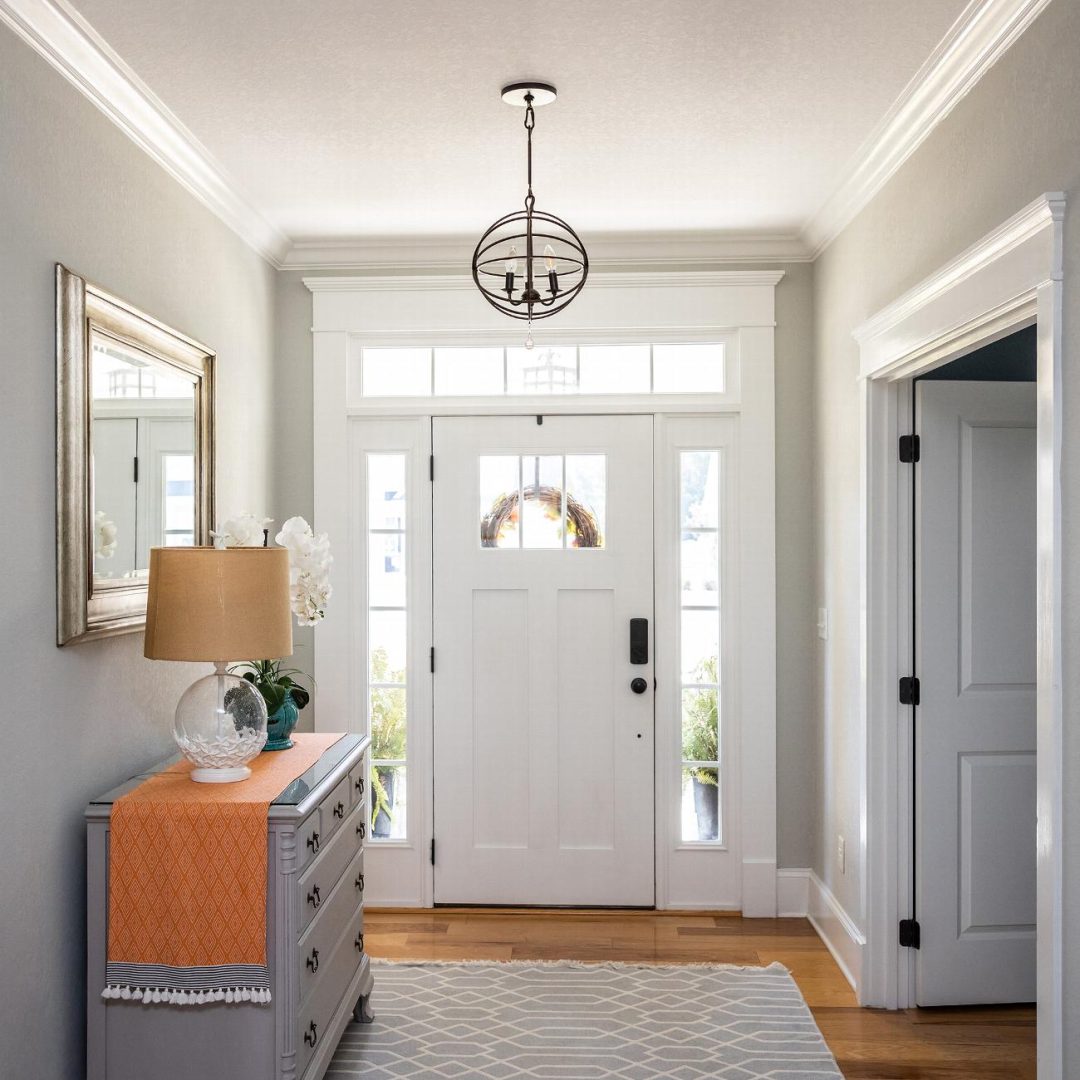
Home renovations in Oxford
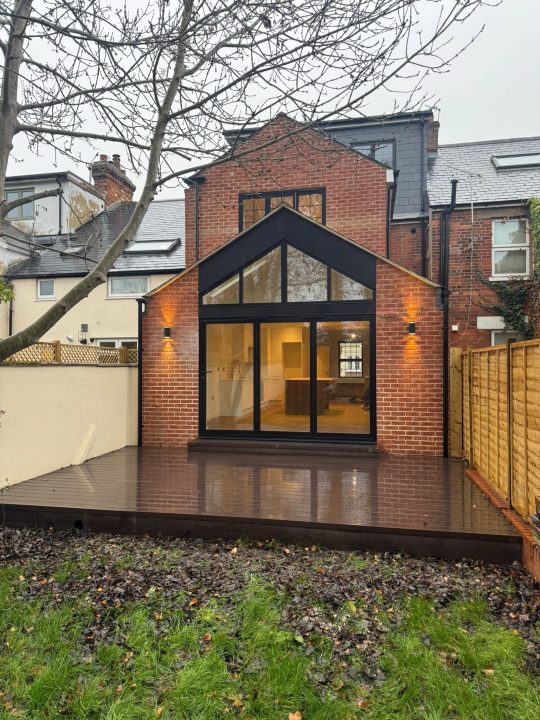
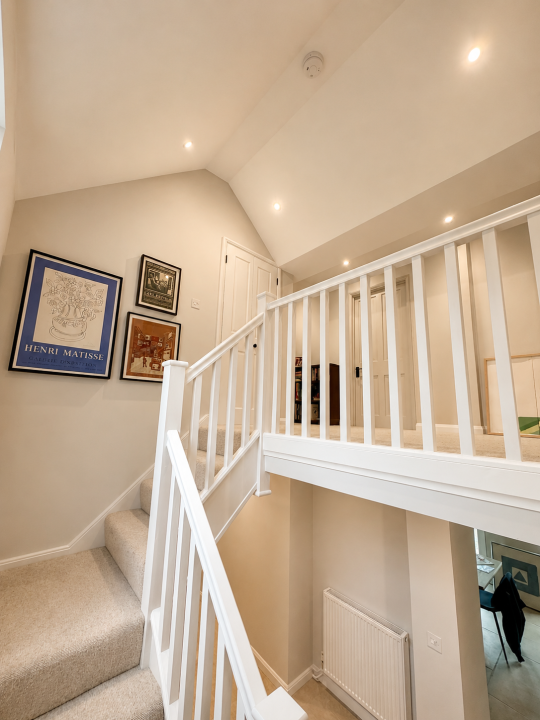
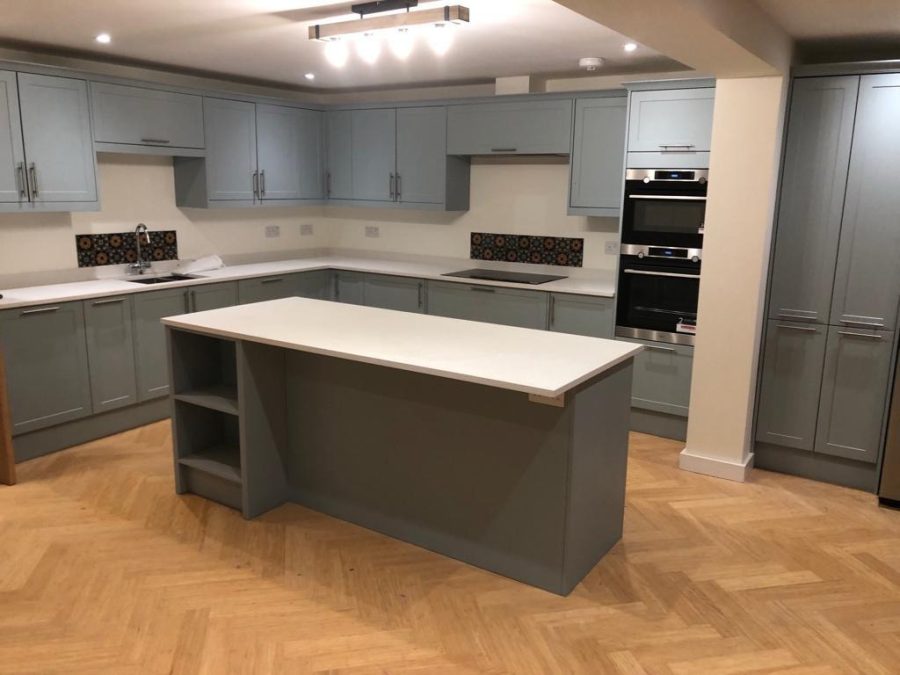
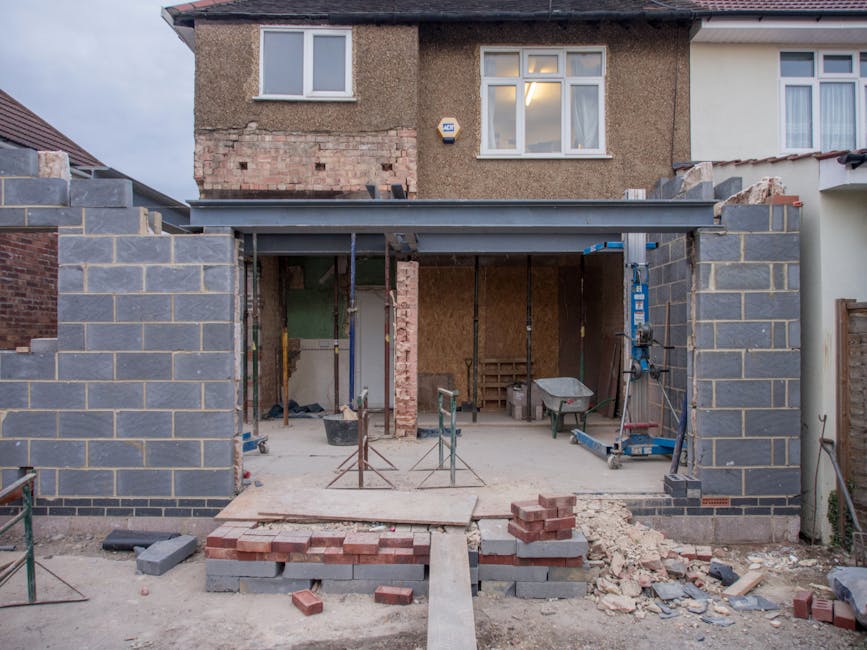
We carry out full property renovations, transforming outdated homes into modern, functional living spaces. This includes structural alterations, reconfigurations, and complete internal upgrades.
Renovation projects
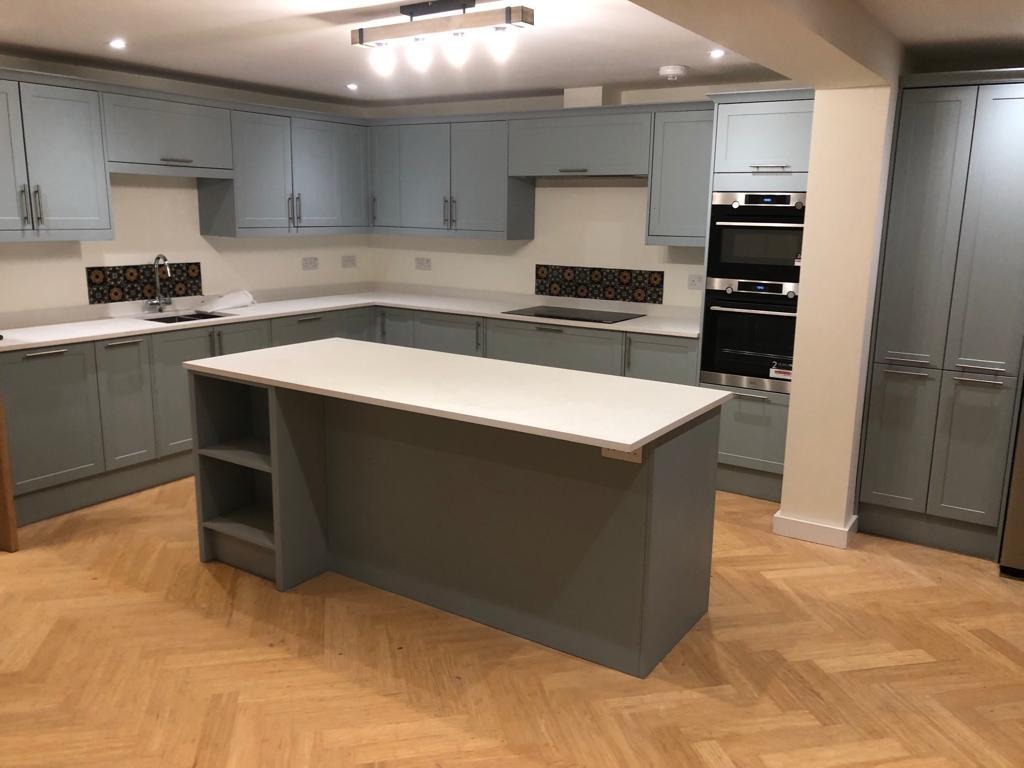
“North Oxford Developments completely transformed our home. What started as a tired, outdated property is now a beautiful, modern space that works perfectly for us as a family. The new extension and open-plan kitchen have made such a difference — it’s now the heart of our home. The quality of the finish throughout is excellent, and every detail was clearly thought through. The team were reliable, professional, and always kept us informed. They stuck to the timelines they set out and made the whole process far less stressful than we expected. We’re absolutely delighted with the end result and wouldn’t hesitate to recommend them.”
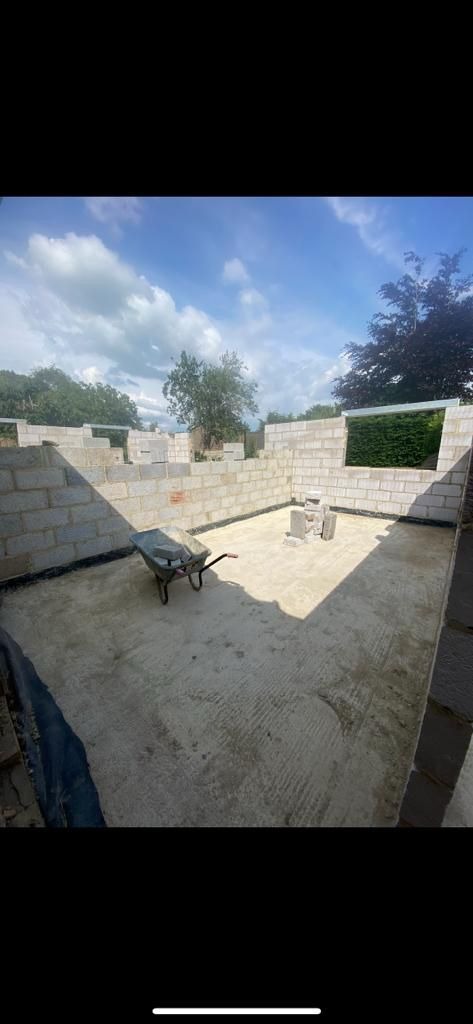
“North Oxford Developments delivered an excellent result on this project. Building two new flats from the ground up alongside an existing property is no small task, but they managed it with confidence and professionalism throughout.
The finish on both units is to a very high standard, and their attention to detail really shows. They were well organised, communicated clearly, and kept the project running smoothly from start to finish.
We were particularly impressed with how they handled the logistics and coordination across the site. The end result speaks for itself, and we’d be more than happy to work with them again.”
proud to be members of FMB, NFB & HBF



Usually not for internal work. Planning permission is generally needed only for external changes, extensions beyond permitted development or a change of use. Listed buildings are different, as listed building consent is likely to be needed for internal alterations too. The Building Regulations may still apply to structural changes, electrics, drainage and heating, whatever the planning position.
Yes, in most cases, but Building Regulations will normally apply and the replacement beam needs a structural design. A structural engineer usually prepares the calculations and building control inspects the work. If the wall is a party wall, the Party Wall etc. Act 1996 may also apply, and in a listed building consent will usually be needed first.
It can be. Renovating or altering a home that has been empty for at least two years may qualify for the reduced 5% VAT rate, and converting a building into a different number of dwellings can also qualify. The conditions are set out in HMRC’s VAT Notice 708, so check the details with HMRC or your accountant before work starts.
We explain what we have found and agree the way forward with you, including any change to scope and cost, before carrying on. Older homes often hide issues such as decayed timbers, outdated wiring or poor drainage. At 22 Vicarage Road, early investigations revealed rotten floor structures that turned a bathroom refurbishment into a full renovation, still delivered to the agreed programme.
For an older home it is strongly advisable. The Health and Safety Executive advises that any building built or refurbished before 2000 may contain asbestos, in materials such as boiler panels, floor tiles and roof sheets. Disturbing it releases harmful fibres, so a survey before strip-out means any asbestos can be identified and dealt with safely.
Talk to one of our experienced builders