Sustainable building is often pictured as a brand-new eco house. In Oxford the reality is different: most of the homes people will live in over the coming decades already exist, and many of them are Victorian, Edwardian or older. Making those homes warmer, cheaper to run and lower in carbon, without damaging them, is where most of the gains are. New homes matter too, and the rules for them are changing. This guide covers both.
Start by keeping what you have
Oxford City Council’s heritage and sustainability guidance for householders takes as its starting point that historic buildings are inherently sustainable, because of the energy already embodied in their construction. It notes research suggesting that up to a third of the total carbon emitted from a new home is released through construction and demolition. Repairing, adapting and extending an existing building is therefore often a sound environmental choice in itself.
Fabric first
The most reliable way to cut energy use is to reduce how much heat the building loses before thinking about heating systems or panels. In practice that means:
- Roof and loft insulation, usually the simplest and most cost-effective measure.
- Draught-proofing doors, windows, floors and unused chimneys (while keeping some ventilation).
- Floor and wall insulation where it can be done safely, often when floors are being lifted or rooms refurbished anyway.
- Windows: repair and draught-proof original windows, or add secondary glazing, before considering replacement.
New extensions must meet the energy efficiency standards in Part L of the Building Regulations, so a well-built extension will usually be the best-insulated part of an older house.
Older homes need to breathe
Traditional solid brick and stone walls, lime mortars and lime plasters absorb moisture and let it evaporate. Sealing them in with impermeable materials can trap moisture and cause damp and decay. Building Regulations guidance itself says energy improvements to historic and traditional dwellings should be made only where they will not cause long-term deterioration of the fabric.
That does not rule out improvements. It means choosing vapour-permeable insulation, lime-based plasters and renders, and keeping ventilation working. Oxford’s guidance notes that well-designed secondary glazing with a low-emissivity coating can reduce heat loss through a window by over 60%, with low heritage impact. In some conservation areas, including Jericho and Osney Town, Article 4 directions mean replacing street-facing windows needs planning permission, so secondary glazing can be the simpler route as well as the gentler one.
Low-carbon heating
Heat pumps
Air source heat pumps are now the main low-carbon alternative to a gas or oil boiler. They work most efficiently at lower flow temperatures, which suits underfloor heating or larger radiators and a well-insulated house.
- Grants: the Boiler Upgrade Scheme offers £7,500 towards an air-to-water or ground source heat pump in England, deducted from the installer’s quote. You must use an MCS-certified installer.
- Planning: permitted development rules for air source heat pumps were relaxed in May 2025, removing the requirement to keep units at least one metre from the boundary and allowing larger units, subject to conditions. Listed buildings still need consent.
Solar panels
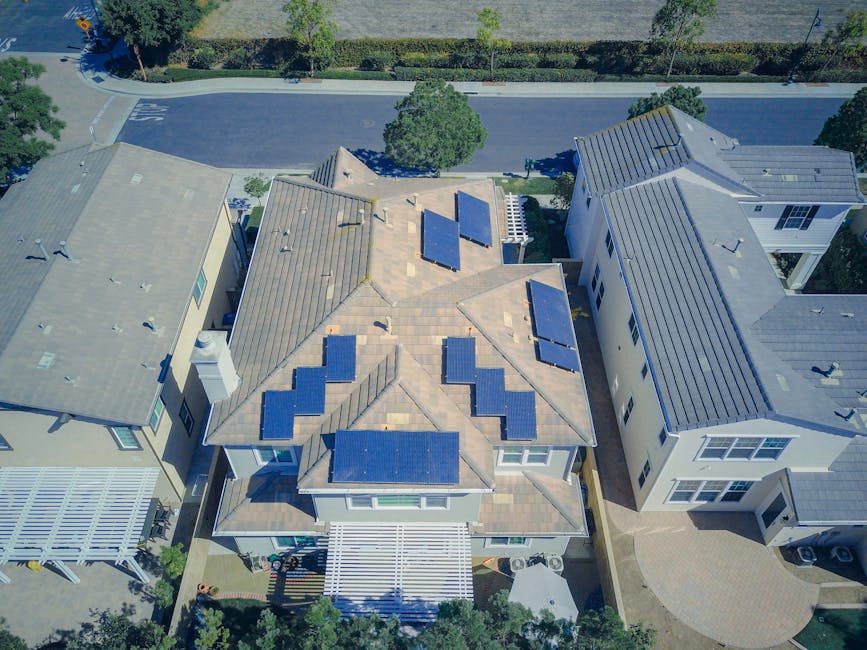
Roof-mounted solar panels on houses are usually permitted development, provided they do not project more than 200mm from a pitched roof or rise above its highest part. In conservation areas, panels must not be fixed to a wall, balcony or roof enclosure fronting a highway, and listed buildings need consent. The rules were updated in August 2026, so check the current position on the Planning Portal or with your council.
VAT relief on energy-saving work
The installation of qualifying energy-saving materials in homes, including insulation, heat pumps and solar panels, is currently zero-rated for VAT until 31 March 2027. The relief applies to installation by a contractor, not to materials you buy and fit yourself, so it is worth planning eligible work with this date in mind.
New homes and the Future Homes Standard
For new build homes, the bar is rising. The Future Homes Standard, published in March 2026, takes effect in England on 24 March 2027, with transitional arrangements for work already under way. It requires much higher energy performance and low-carbon heating in new homes, and in most cases solar panels too. Anyone planning a small development or a new house in Oxfordshire should design to the new standard now rather than risk redesigning later.
Materials, waste and the building process
Sustainable building is also about how the work is done:
- Reuse and reclaim. Salvaged bricks, roof tiles and stone can be reused on site or in the extension.
- Local materials. Locally sourced stone and timber travel less and tend to suit the area.
- Plan to reduce waste. Careful ordering and coordination of trades means fewer skips and less over-ordering.
- Build to last. A durable, well-detailed building that does not need replacing in 30 years is the greenest option of all.
Getting the order right
For most Oxford homes a sensible sequence is: fix any damp and repair problems, insulate and draught-proof, upgrade or replace windows sensitively, then size a new heating system for the improved house. Doing it the other way round often means paying for a bigger heat pump than you need.
How we can help
North Oxford Developments has been building in Oxford and Oxfordshire since 1984. Our in-house teams include roofers, plasterers, carpenters, NAPIT-accredited electricians and Gas Safe registered heating engineers, which makes it easier to coordinate insulation, heating and electrical work as one project rather than several. Whether you are extending a period home or planning a new build, such as our two new flats on London Road, Headington, we are happy to talk through the options with you and your designer.